Free Shipping On Orders Above $60!

Powered by Developer Arena

Why Is Waxing Better Than Other Methods?

Why Is Waxing Better Than Other Methods?

While body hair removal is always a personal choice, many people have unwanted hair that they opt to remove. Hair growth is affected by many things including genetics, hormones, and even certain medications. These factors will determine how quickly your hair will grow back after removal.  

There are many different methods of hair removal. Though most methods will result in eventual hair regrowth, some options will stay smoother for longer. It’s important to find the method that is best for you!

WHAT IS WAXING?

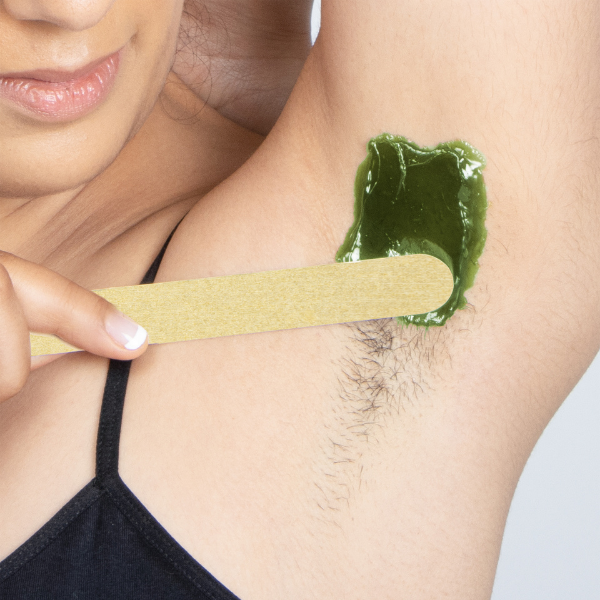
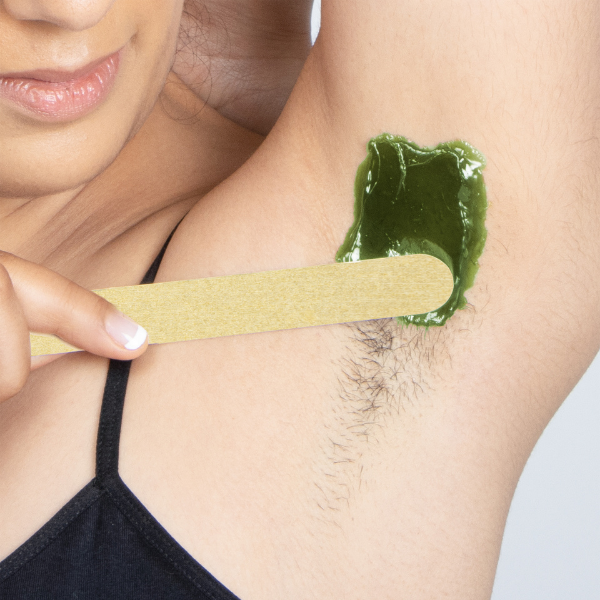
Waxing is a hair removal method in which a layer of wax is applied to the skin and then removed quickly, pulling the hair out directly from the root. It can be performed using different types of wax depending on the area being treated and personal preference, including wax strips, warm wax, or hot wax. The process is typically done in sections, allowing multiple hairs to be removed at once.

Waxing is widely used because it provides longer-lasting results compared to surface-level methods such as shaving. Since hair is removed from the follicle, regrowth is slower and the skin remains smoother for longer periods of time. It is also more efficient for larger areas of the body, as multiple hairs are removed in a single application. Over time, regular waxing may also result in finer and softer regrowth, making maintenance easier.

OTHER HAIR REMOVAL METHODS

Shaving

Shaving differs from waxing in that it only removes hair visible above the surface of the skin. As a result, regrowth can occur anywhere from a couple of days to a few weeks, depending on individual hair growth patterns.

This method is commonly used on areas such as the legs, arms, and facial hair. However, it is important to note that shaving may contribute to ingrown hairs, particularly in sensitive areas such as the pubic region. Compared to waxing, shaving does not provide long-lasting results.

Laser Hair Removal

Laser hair removal uses a laser beam or light pulse to target and destroy hair at the follicle. It is one of the longest-lasting hair removal methods available, although it is also typically more expensive than other options.

Treatments are generally scheduled four to six weeks apart and require multiple sessions, often four or more, to achieve optimal results. Laser hair removal is most effective on dark, coarse hair and must be performed by a trained technician or medical professional.

Tweezing

Tweezing involves removing individual hairs directly from the root and is typically used on a very small scale. It is most commonly used for precision work such as shaping eyebrows or removing a few stray hairs.

While effective for detail work, tweezing can be time-consuming and uncomfortable when used extensively. It is not suitable for larger areas as it is inefficient and repetitive. Improper or excessive tweezing may also increase the risk of ingrown hairs or skin irritation.

Threading

Threading is a traditional hair removal technique commonly used for facial areas and eyebrow shaping. It is now widely available in salons and performed by trained professionals.

The method uses twisted cotton threads to catch and remove hair from the root. Results typically last between two and six weeks, depending on the treatment area and individual hair growth patterns. Threading is valued for its precision, particularly in shaping and defining facial features.

DOES IT LAST

As with all hair removal methods, results from waxing will vary from person to person as hair growth is affected by many things, including but not limited to age, genetics and countless environmental factors.  

Your hair grows at different rates and textures all over your body. For example, the hair on your head has a regrowth cycle of anywhere between 2 to 6 years, whereas the hair on your arms and legs has a growth cycle of about 30 to 45 days! Because of these different cycles, you will notice that the hair on your eyebrows will grow back at a vastly different speed and rate than the hair removed from your legs - no matter the method you choose! For most people, regrowth after waxing will occur within 4-8 weeks.

TIPS TO SLOW REGROWTH 

Want to slow the regrowth of your hair? The good news is waxing consistently will make your hair grow back slower and thinner! That means the more you wax, the less painful and longer lasting your results will be.  

Maintaining a waxing schedule to align with your hair regrowth cycle will keep you smoother longer and help to prevent prickly hair regrowth between waxes.

Last but not least, using the Ingrown Rescue Kit regularly will help you get the most out of your hair removal routine by preventing unsightly ingrown hairs while keeping your skin smooth and moisturized to prevent breakage during your next wax!

Leave a comment (all fields required)

Comments will be approved before showing up.

Threading, tweezing and waxing are the most common techniques used to remove unwanted hair, but which method is best? 

  • 3 min read

While a full-body wax usually refers to everything below the neck, some would include facial waxing in their definition. If you’re used to removing your body hair, you probably have used many different techniques for various parts of your body.

  • 4 min read

Anyone who has ever dabbled in hair removal understands the frustration that is ingrown hairs! Despite our best efforts for smooth, clear skin none of us are immune to these itchy, uncomfortable, and sometimes painful red bumps. The good news is, there is solution!

  • 2 min read

This guide breaks down the most common issues users face, such as wax stretching, cracking, or becoming too runny, and shows how small adjustments in cooling time, application thickness, and temperature can make a major difference.

  • 2 min read

You Got This. And We Got You.

If you run into trouble or have any questions, visit our FAQs or contact us directly and we'll be happy to help you out.

Search
Commonly searched